
Your shop runs on software nobody supports anymore.
Plenty of print shops, photo labs and small manufacturers run orders through a desktop program nobody has updated in years, with per-seat subscriptions bolted on around it. The usual answer to custom software for small manufacturers is a big ERP. Mine is smaller: web tools you own, built around how your shop runs, with AI agents handling the paperwork.
Builds and ongoing work included, starting at $499 a month.
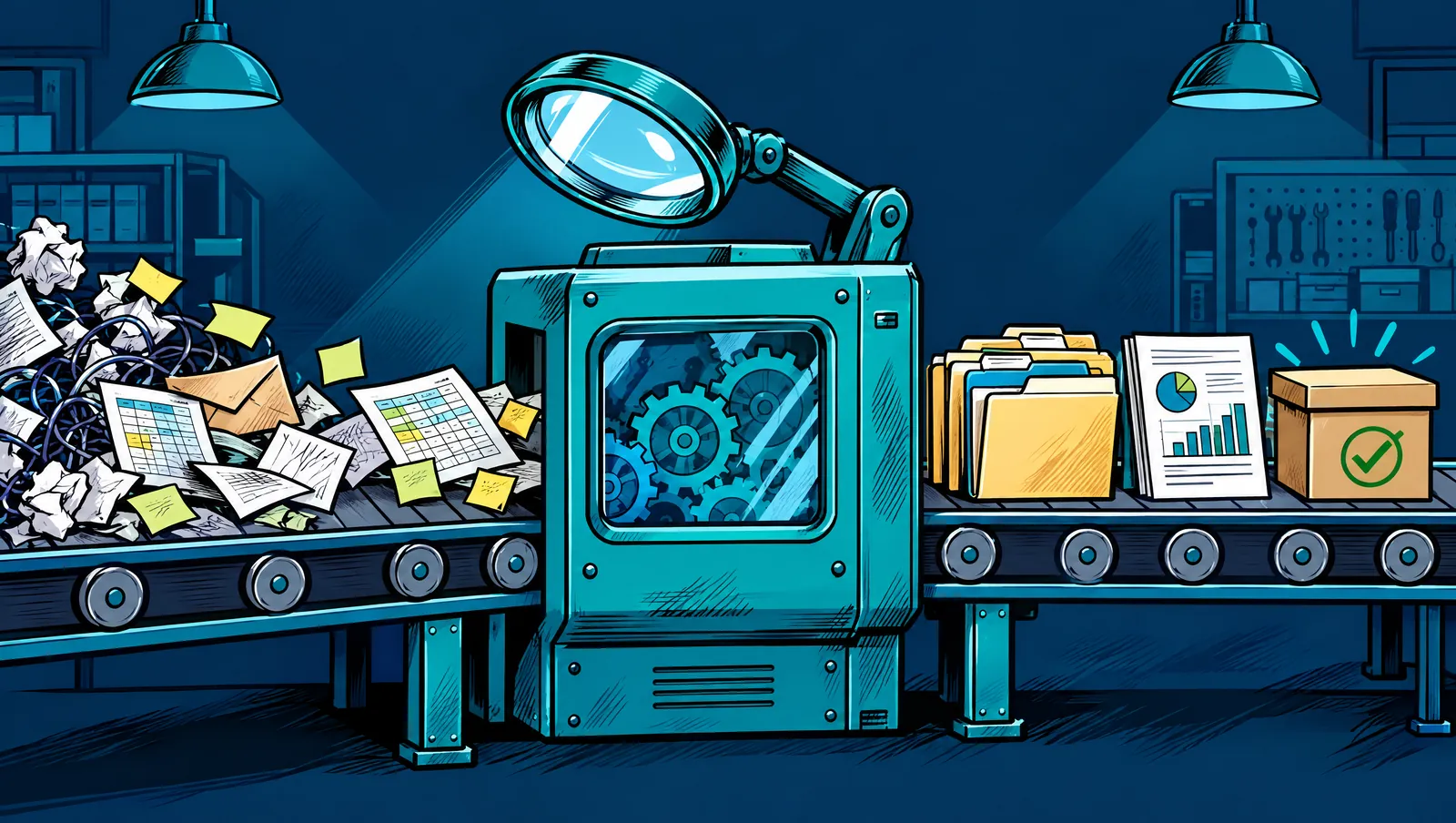
Where the hours go in a print shop, photo lab or small plant
- Re-keying orders that arrive by email, phone, PDF and upload link into the order entry program
- Quotes built by hand from a price sheet with too many exceptions: substrate, quantity breaks, finishing, rush fees
- Work orders and job tickets typed up, printed and walked out to the floor
- "Is my order ready?" calls and emails, answered by someone who has to go look
- Proof approvals and artwork that doesn't meet spec, chased by email
- Inventory counts and reorder guesses for paper, ink, film, packaging or raw stock
- Month-end reports stitched together from the order system, the accounting software and a spreadsheet
- The one old Windows PC everyone is afraid to update because it's the only machine the order software still runs on
What my AI agents take off your plate
Some are builds, some are agents running daily. One flat rate covers both.
Customer portal and order entry
Customers place orders, upload files and check status in a web portal, so orders arrive complete instead of getting re-typed from email.
Custom tools and SaaS replacement →Quote builder
Your pricing rules turned into an estimator your staff or customers can use, so every quote comes out the same no matter who builds it.
Custom tools and SaaS replacement →Work orders and job tickets
An approved order becomes a work order automatically, with specs, due date and files attached, where the floor can see it.
Business process automation →Job status questions
An AI phone agent, or an automatic email at each stage, answers "where's my order?" from the real job status instead of a guess.
AI phone agent →Inventory and forecasting reports
Usage pulled from your orders into a weekly report: what's running low, what's moving faster than usual, what to reorder.
AI reporting and dashboards →Shop SOPs and training
What your best operator knows, turned into written procedures and training modules a new hire can follow.
AI SOPs and training →Who does what
Software and agents handle the paperwork. Your people own quality and the customer.
| Task | What the agent does | What stays with your team |
|---|---|---|
| Incoming order | Checks the order for missing specs or bad files and flags problems | Calling the customer about anything unusual |
| Quote | Prices standard jobs from your rules and drafts the quote | Custom jobs, big accounts and any discount |
| Work order | Creates the ticket with specs, files and due date | Scheduling the floor and sequencing jobs |
| Status question | Answers from the live job status | Rush requests and apologies for late jobs |
| Reorder report | Flags low stock and unusual usage | The actual purchase order |
| Month-end numbers | Builds the report and a summary | What to change because of it |
Replace the software you've outgrown
Small shops tend to land in one of two traps. One is legacy desktop software that still works, runs on one aging machine, and has nobody left to call when it breaks. The other is per-seat subscriptions: an estimating tool, a job tracker, a portal add-on, each charging for every login, every month.
Custom tools and SaaS replacement is the service built for this. I build web-based tools around your actual workflow (order entry, customer portals, work orders, estimators, inventory trackers), and you own the code and the data. No per-seat fees on anything I build. You pay for hosting directly, on accounts in your name.
Not everything should be replaced. Your accounting software and payment processor usually stay; the new tools connect to them. If the real problem is a messy customer list, CRM cleanup and automation may be the better starting point. The SaaS cut sheet walks through which subscriptions to keep, replace or cancel.
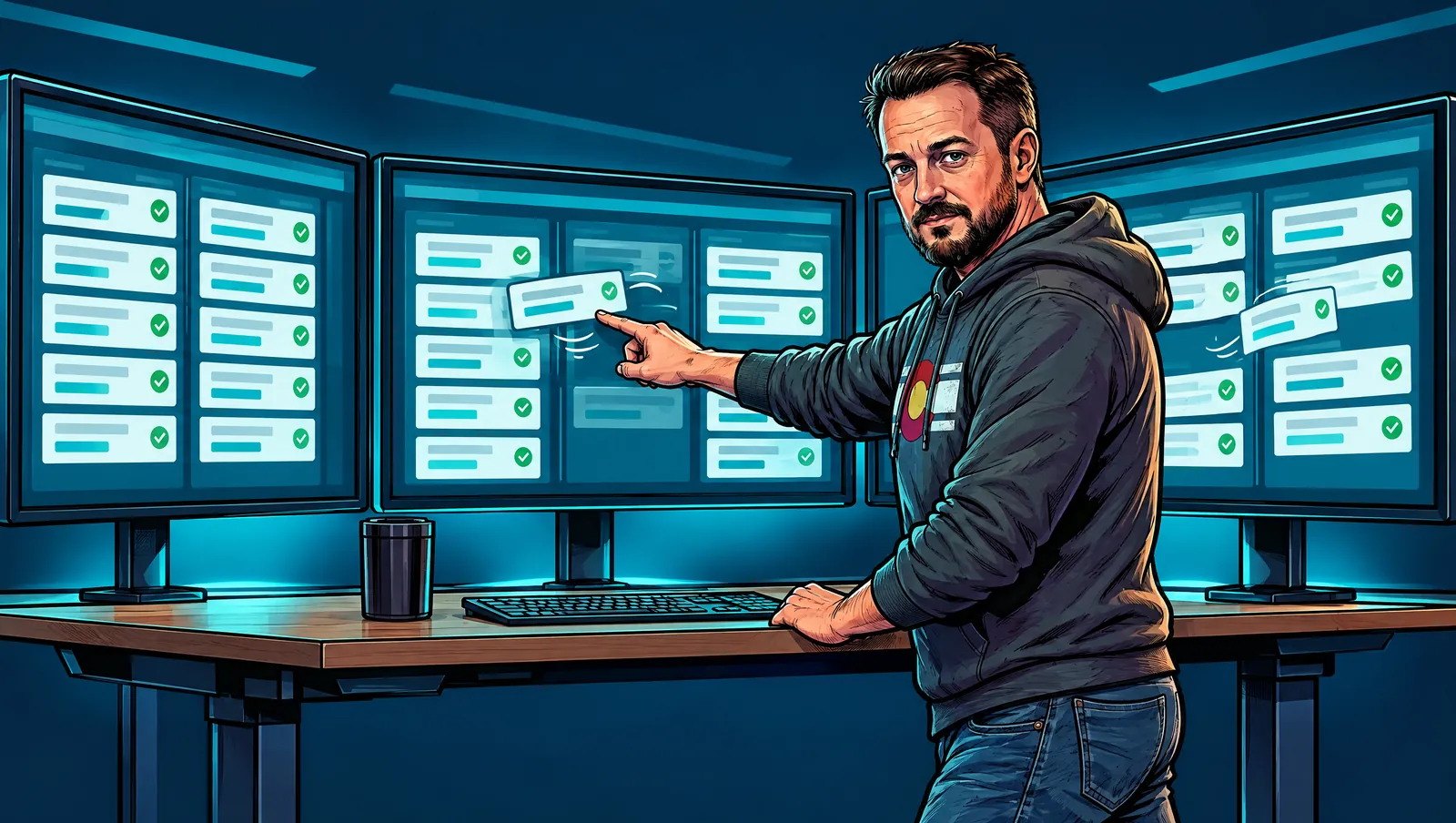
Replacing aging desktop software without breaking what works
A print and photo business I work with runs on older desktop software for customer orders and for the back office. Both still do their jobs, but both are aging, and replacing them one crisis at a time is a bad plan.
The project replaces them with one web-based system: a portal where customers place orders, and an admin side where staff manage work orders and invoices in one place.
One decision shaped the build: keep the payment setup customers already rely on, instead of making everyone re-enter their details. The new system is built around what already works, not the other way around.
That's the approach I take with any shop: work out what's actually load-bearing, keep it, and replace the parts that are holding you back.
Custom software has real costs too
- Owned software still needs care. Hosting, updates and the occasional fix are ongoing, and you should know that before you build.
- Migrations take time. Moving years of orders and customers out of an old database can be messy. We run old and new side by side until your team trusts the new one.
- This isn't an ERP. If you need full material requirements planning across multiple plants, you need a different kind of vendor.
- Machines are out of scope. RIP software, printer drivers and CNC controllers stay with the vendors who support them.
- Payment data stays with your processor. I don't store card numbers, and agents never move money.
Questions from shops, labs and small manufacturers
Can you replace our old order entry program?
Often, yes. I map what the old program actually does, including the quirks your team relies on, then build a web version in stages. Both run side by side until you're ready to switch.
Who owns the software you build?
You do. The code, the database and the hosting accounts are in your name. If we ever stop working together, everything keeps running and stays yours.
Will it work with our accounting software and payment processor?
That's the usual plan. New tools connect to the systems you keep, so invoices land in your accounting software and payments go through the processor your customers already use.
What does it cost?
Starting at $499 a month, flat, month to month. Custom builds are included in that rate, not quoted separately. A portal is built over several weeks in stages, not in a weekend. Hosting is billed to you directly.
Let's retire the old PC in the back office.
Tell me which program your shop can't live without and can't get support for. We'll sort out what to keep, what to replace, and what my agents can take over meanwhile.